Best Medical Alert Watches for Seniors (2026)
A watch is the medical alert device seniors are most likely to actually wear, because it looks normal, it doesn't shout “I'm frail,” and it's harder to leave on the nightstand than a pendant. But “medical alert watch” covers two very different products, and choosing the wrong type is the most common mistake. This guide sorts them out and names the best pick for each situation.
Two kinds of watch
Monitored alert watches (Medical Guardian MGMove, Bay Alarm SOS wristband) charge a monthly fee and connect to a staffed 24/7 center that knows the wearer and can call family or dispatch EMS.
Consumer smartwatches(Apple Watch, Samsung Galaxy Watch) cost a one-time price with no fee and detect falls, but they call 911 or preset contacts directly. There's no monitoring center on the other end.
Our top picks
Best Medical Alert Watches
Medical Guardian MGMove
$39.95/mo (+$10/mo fall detection)
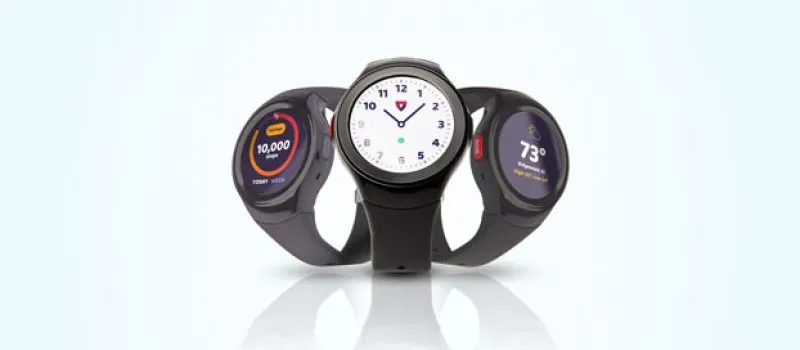
- Monitoring:
- 24/7 US-based monitoring center
- Fall detection:
- Add-on
- Battery:
- Up to 3 days
Best for seniors who want a real smartwatch look with professional monitoring, GPS, and step/weather apps built in.
Visit Medical Guardian →Bay Alarm Medical SOS All-in-One 2 (wristband)
$34.95/mo (+$10/mo fall detection)
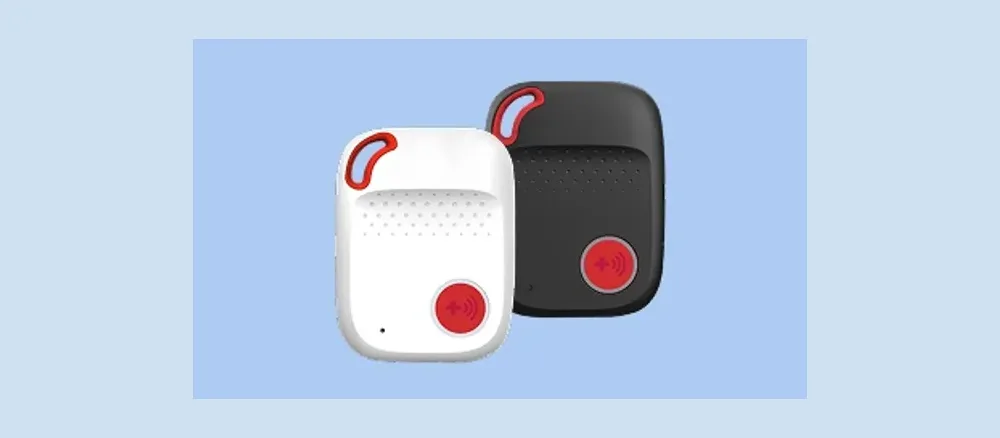
- Monitoring:
- 24/7 UL-listed monitoring center
- Fall detection:
- Add-on
- Battery:
- Up to 5 days
Best value in monitored wrist-worn alerts: the same SOS device offered as a wristband, with free second-user monitoring.
Visit Bay Alarm Medical →Apple Watch SE
~$249 device · no monthly fee
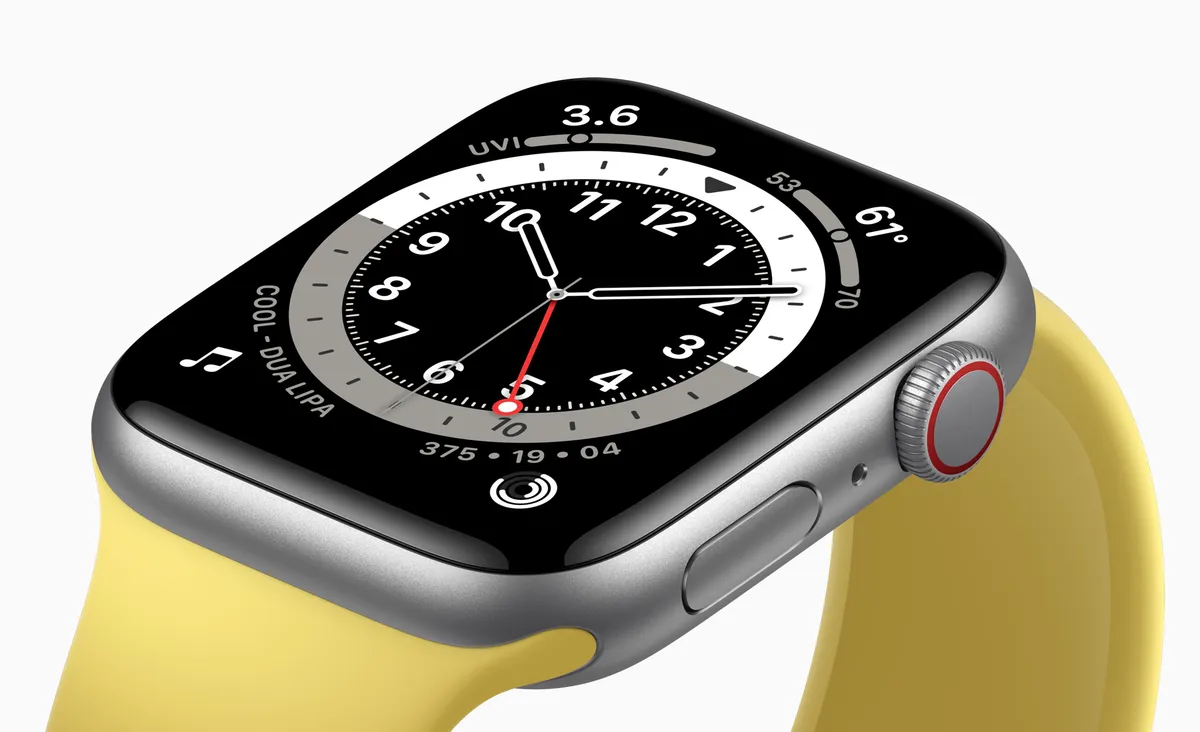
- Monitoring:
- Calls 911 directly (no monitoring center)
- Fall detection:
- Built in
- Battery:
- Up to 18 hours
Best for tech-comfortable, active seniors with an iPhone who want fall detection and Emergency SOS without a subscription.
Check Price on Amazon →Samsung Galaxy Watch
~$200–$300 device · no monthly fee
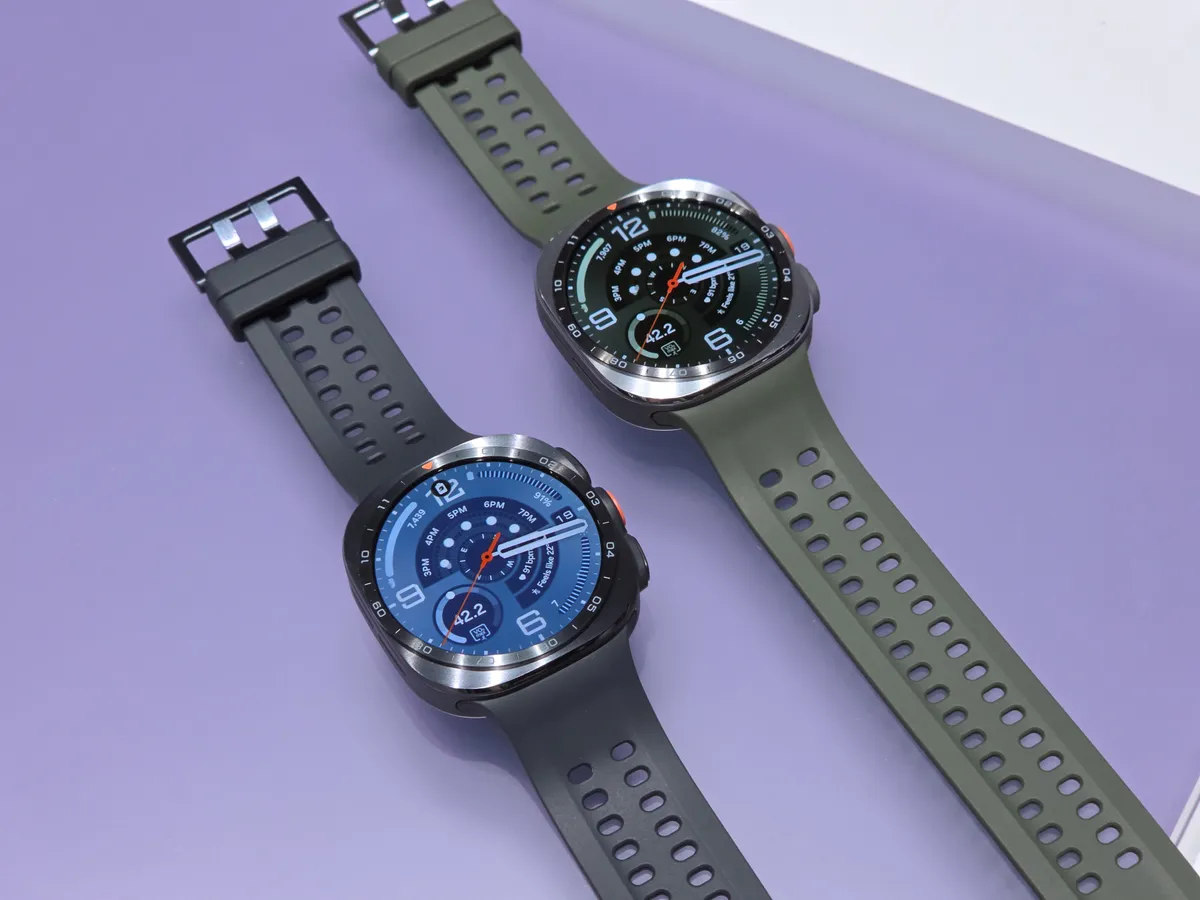
- Monitoring:
- Calls emergency contacts / 911 (no monitoring center)
- Fall detection:
- Built in
- Battery:
- Up to 40 hours
Best built-in fall detection and SOS for Android users, paired with a Samsung phone. Longer battery life than the Apple Watch.
Check Price on Amazon →The real decision
Monitored Watch vs. Consumer Smartwatch
This is the real decision. Both can call for help after a fall. The difference is who answers and what they can do.
| Factor | Monitored Alert Watch | Consumer Smartwatch |
|---|---|---|
| Who answers an alert | Trained 24/7 monitoring operator | 911 dispatcher or your emergency contacts |
| Knows the wearer's history | Yes (medical notes on file) | No |
| Notifies family automatically | Yes | Apple/Samsung notify preset contacts |
| Monthly fee | ~$40–$50/mo with fall detection | None |
| Upfront device cost | Low or none | ~$200–$300 |
| Needs a smartphone | No (built-in cellular) | Usually yes |
| Battery life | 3–5 days | ~1–2 days (daily charging) |
| Looks like a normal watch | Increasingly, yes (MGMove) | Yes |
The honest trade-off
Battery life is a safety spec, not a convenience one
A consumer smartwatch that needs charging every night is off the wrist and useless for the hours it sits on the charger, which for many seniors is overnight, when bathroom falls are common. Monitored alert watches last 3–5 days, and a charged-overnight pendant or in-home button may be the safer choice for someone who won't reliably manage daily charging. Match the device to the routine, not the spec sheet.
Match to the reader
Who Should Buy Which
- Choose a monitored alert watch (MGMove or Bay Alarm wristband) if the senior lives alone, has a fall history, or you want a trained operator and automatic family notification without depending on a phone or nightly charging.
- Choose an Apple Watch if the senior is active, comfortable with technology, already has an iPhone, and wants fall detection with no monthly fee.
- Choose a Samsung Galaxy Watch for the same active, tech-comfortable senior who uses an Android phone. Its longer battery life is a real advantage.
- Consider a pendant or in-home system instead if daily charging is unrealistic or the senior won't adapt to a touchscreen. See our full systems comparison.
Questions we hear most
Frequently Asked Questions
What is a medical alert watch?
A medical alert watch is a wrist-worn device that can summon help in an emergency. There are two types: monitored medical alert smartwatches (like the Medical Guardian MGMove) that connect to a professional 24/7 monitoring center for a monthly fee, and consumer smartwatches (like the Apple Watch) that detect falls and call 911 or your emergency contacts directly with no subscription.
Is the Apple Watch a good medical alert device?
For an active, tech-comfortable senior who already uses an iPhone, yes. The Apple Watch SE and newer models detect hard falls and can place an Emergency SOS call to 911 with no monthly fee. The trade-offs are daily charging and that it calls 911 directly rather than a monitoring center that knows the person's history and can reach family.
Do medical alert watches have fall detection?
Most do, but it works differently. Consumer watches like the Apple Watch and Samsung Galaxy Watch include fall detection at no extra cost. Monitored medical alert watches such as the MGMove offer fall detection as a paid add-on (typically $10/month): a detected fall connects to a staffed monitoring center rather than dialing 911 directly.
What is the best medical alert watch for seniors?
For most seniors who want professional monitoring, the Medical Guardian MGMove is our top pick. It looks like a normal smartwatch, includes GPS, and connects to a 24/7 US-based center. For active seniors comfortable with technology who want no monthly fee, an Apple Watch SE (with an iPhone) or a Samsung Galaxy Watch (with an Android phone) is the better fit.
Do medical alert watches need a smartphone?
Monitored watches like the MGMove and Bay Alarm SOS wristband have their own cellular connection and do not need a smartphone. Consumer smartwatches generally do: an Apple Watch pairs with an iPhone (a cellular model can work more independently), and a Galaxy Watch pairs with an Android phone.
How much does a medical alert watch cost?
Monitored medical alert watches cost about $37–$40 per month plus a $10/month fall-detection add-on, with no large upfront device fee. Consumer smartwatches are a one-time purchase of roughly $200–$300 with no monthly fee, but they call 911 or family instead of a monitoring center.
For most families, the Medical Guardian MGMove is the best medical alert watch: a normal-looking smartwatch with GPS and 24/7 US-based monitoring. For a lower monthly cost on a watch-style device, our Bay Alarm Medical review covers its SOS Smartwatch. If the senior is active, tech-comfortable, and you'd rather avoid a monthly fee, an Apple Watch SE (with fall detection) is the better fit.
Related reading
Sources & references
- Medical Guardian: MGMove smartwatch
- Bay Alarm Medical: SOS All-in-One 2
- Apple: Use fall detection on Apple Watch
- Samsung: Hard fall detection on Galaxy Watch
- CDC: Older Adult Falls Data
Pricing and plan details are drawn from each provider's official website and verified periodically; confirm current rates at the point of purchase. Statistics are cited from the sources above.