Every system we review, on one table.
Seven services, one rubric, sorted by score. A ~means we could not verify that number against the provider’s own published page, either because the company does not publish it or because its site blocks our checks. Everything without a ~ was read off the provider’s own page on the date shown in the cost guide.
Reader-supported: if you buy through a link on this page we may earn a commission, at no extra cost to you. Fees never move a score.
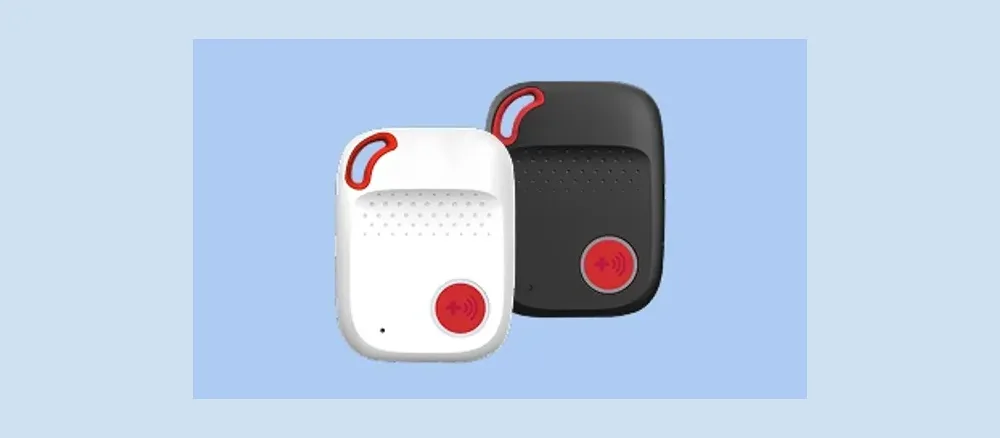 Bay Alarm Medical
BEST VALUE9.0
- Monthly
- $27.95
- Fall add-on
- +$10/mo
- Upfront
- $0, gear is leased
- Contract
- None
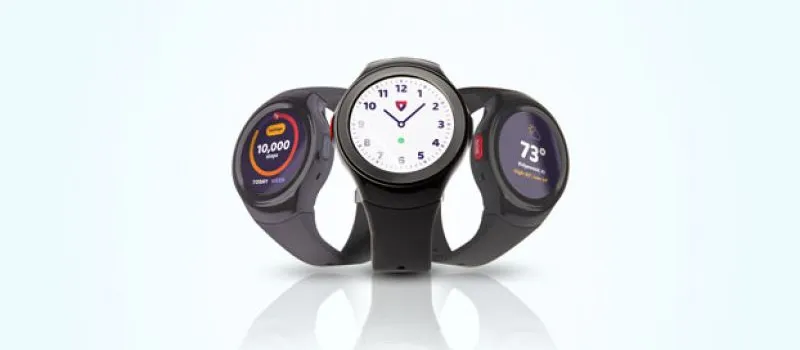 Medical Guardian
OUR TOP PICK8.8
- Monthly
- ~$27.95+
- Fall add-on
- +$10/mo
- Upfront
- ~$149.95 gear
- Contract
- None
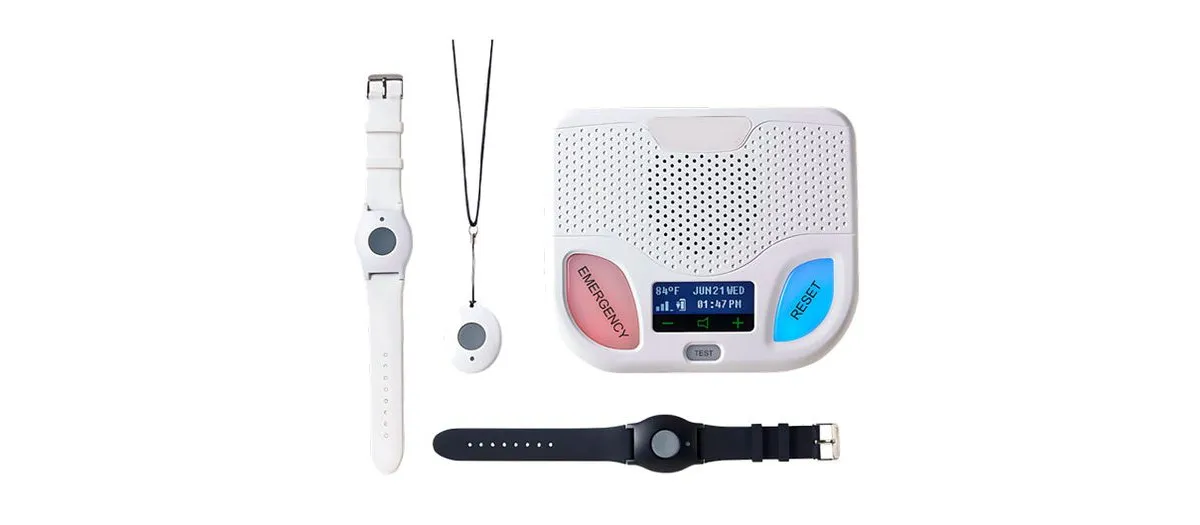 MobileHelp
Widest home range, 1,400 ft7.8
- Monthly
- from $29.95
- Fall add-on
- ~+$11/mo
- Upfront
- $0
- Contract
- None
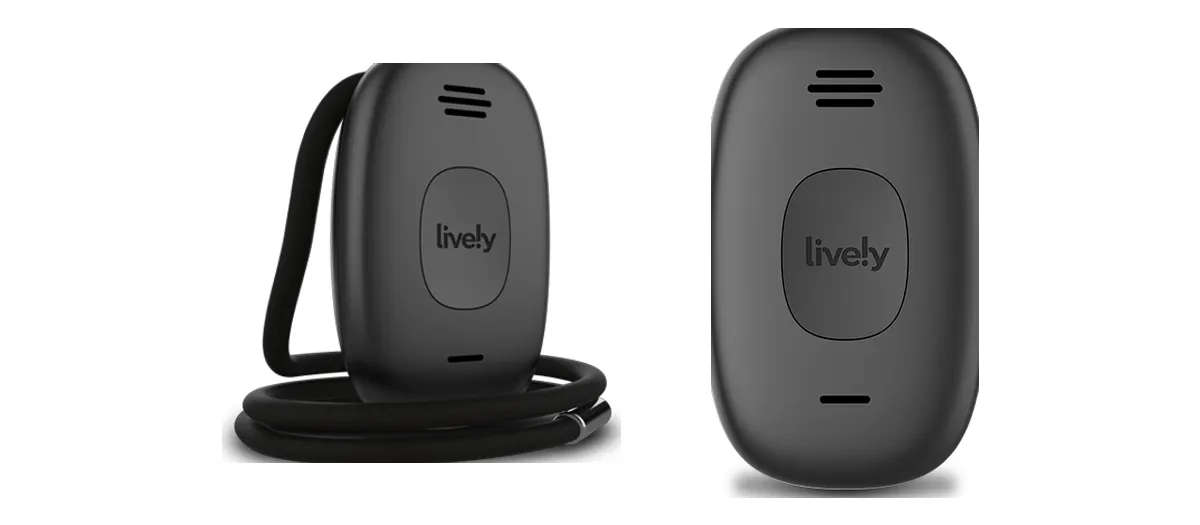 Lively Mobile2
Cheapest fall-detection add-on7.4
- Monthly
- $24.99
- Fall add-on
- +$9.99/mo
- Upfront
- Device purchase
- Contract
- None
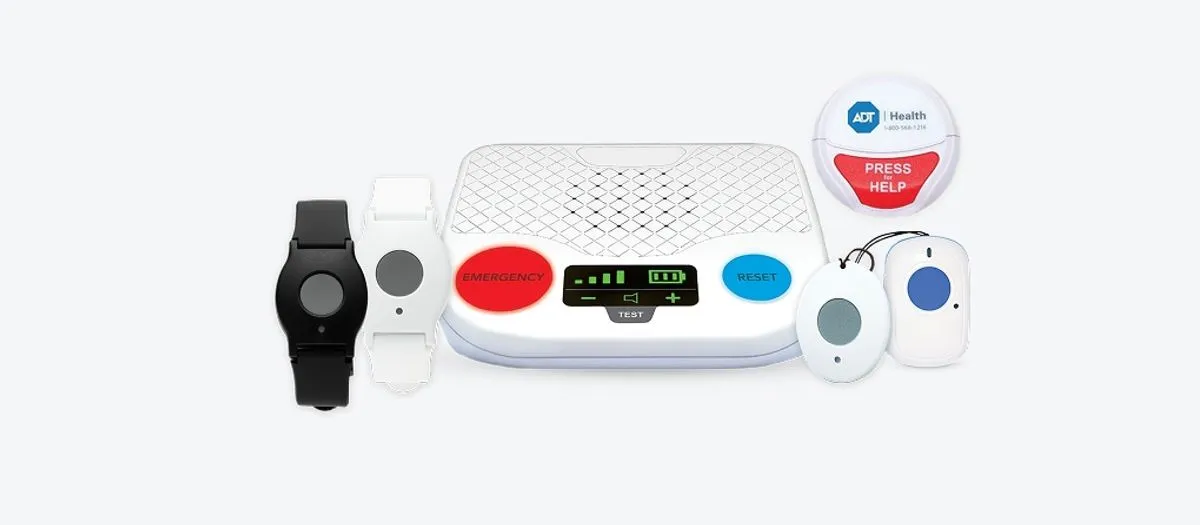 ADT Medical Alert
Lifetime price lock; $3/mo spouse6.9
- Monthly
- ~$31.99
- Fall add-on
- ~+$11/mo*
- Upfront
- ~$99 activation
- Contract
- None
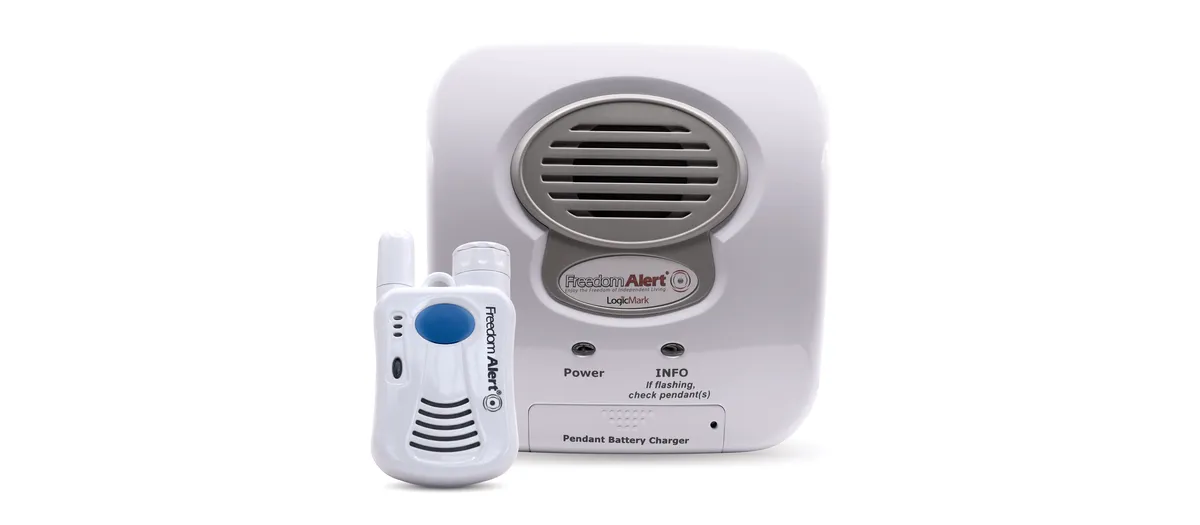 LogicMark Freedom Alert
No monitoring center; dials family & 9115.6$0Not offered$299 deviceNoneCheck on Amazon
LogicMark Freedom AlertNo monitoring center; dials family & 9115.6
- Monthly
- $0
- Fall add-on
- Not offered
- Upfront
- $299 device
- Contract
- None
 Life Alert
The name everyone knows4.9
- Monthly
- ~$49.95
- Fall add-on
- Not offered
- Upfront
- $95–$198
- Contract
- 3 years
If you buy through this link we may earn a commission; it never changes our ratings.Life Alert and LogicMark run no affiliate program, so those two buttons earn us nothing: Life Alert’s goes to our own alternatives page and LogicMark’s to its Amazon listing.
* ADT’s fall detection isn’t available on its entry landline unit. Monthly figures are each service’s entry rate as of July 2026; first-year math excludes one-time fees and lives in the cost guide.
Why isn’t our top pick in first place?
Fair question. Bay Alarm edges Medical Guardian on the rubric because pricing transparency carries 25% of the score, and Bay Alarm prints its rates while Medical Guardian won’t. We still send most people to Medical Guardian first for its device range: it’s the only brand here that can follow you from a home base station to a GPS watch. If the two feel close, the cheaper published price wins. That’s the honest answer.
How we score, exactly.
Five criteria, weighted below. Each 1–5 score comes from documented facts: published prices, contract terms, certifications, device specs. The weighted average is rescaled to the 0–10 you see. Same math for every brand, no exceptions, and no brand pays to be scored.
30%
Response time & monitoring quality
Whether the monitoring center is US-based, 24/7, and UL-listed and/or CSAA Five Diamond certified, plus the response time the provider publishes.
25%
Pricing & contract transparency
Headline price vs. true annual cost, equipment/activation fees, add-on clarity, contract length, and cancellation terms. No-contract, fee-transparent plans score highest.
15%
Fall-detection accuracy & availability
Whether automatic fall detection is offered at all, on which devices, and at what add-on cost. Availability across plans is weighted; no provider's detector is treated as perfectly accurate.
15%
Equipment, range & battery
Published device specs: form factors offered (pendant, wristband, smartwatch), GPS availability, in-home range, water resistance, and battery life.
15%
Ease of setup & use for seniors
Simplicity of setup, comfort and clarity of the wearable, caregiver-app and family-notification tools, and published support channels.
We claim careful research and documented sources, not lab testing. Full sourcing lives on the methodology page.
If your situation has a wrinkle the table cannot hold, we have separate pages on whether Medicaid pays for a medical alert system, on what each provider publishes about cancelling and refunds, and on choosing a device when a parent has dementia.
If you buy through this link we may earn a commission; it never changes our ratings.
Frequently asked questions
What is the best medical alert system in 2026?
Medical Guardian is our top-rated medical alert system in 2026 due to its combination of flexible plans, month-to-month pricing, 24/7 US-based monitoring, and range of devices from a simple home button to a GPS smartwatch. Bay Alarm Medical is the best value option starting at $27.95/month with free monitoring for a second household member (a one-time button fee).
How much do the best medical alert systems cost?
The best medical alert systems range from $27.95/month (Bay Alarm Medical) to an estimated $49.95/month (Life Alert, which does not publish pricing; that figure is a commonly reported rate). Most top-rated systems cost $25–45/month for basic monitoring. Fall detection add-ons add about $10/month where the provider publishes the price, and providers that do not publish it are marked with a ~ on this page. GPS capability typically costs more than an in-home-only plan.
What is the best medical alert system with no monthly fee?
True no-fee systems with professional 24/7 monitoring do not exist. Monitoring centers require a monthly subscription to operate. Some unmonitored devices have no monthly fee but only call preset family contacts rather than a monitoring center, which is not appropriate for someone living alone or at high fall risk.
Are medical alert systems worth it for the elderly?
For many seniors, yes. Falls are the leading cause of injury-related death among adults 65 and older (CDC), and the danger is compounded when someone lies undetected for hours afterward. A medical alert system shortens that wait by connecting help quickly. For elderly adults living alone, the cost is typically $0.50–1.50/day, a fraction of the potential emergency-room and hospitalization costs from an undetected fall. Whether it is worth it depends on the individual's fall risk and living situation.
What is the difference between in-home and GPS medical alert systems?
In-home systems use a base station and work only within the home (typically 300–1,000 feet). They are less expensive ($20–35/mo) and simpler to set up. GPS systems use cellular networks and work anywhere: home, car, grocery store. They cost more ($30–50/mo) and require regular charging. If your parent leaves home at all, a GPS system is strongly recommended.
Does Life Alert require a contract?
Yes. Life Alert requires a 3-year contract, the longest in the industry. Early termination carries penalties. Medical Guardian, Bay Alarm Medical, and Lively are all month-to-month with no cancellation penalties. We recommend these alternatives for most families unless your parent specifically requests Life Alert by name.
Can a medical alert system detect a fall automatically?
Most modern medical alert systems offer automatic fall detection as an add-on (about $10/month on the systems that publish the price). The device uses an accelerometer to detect the motion pattern of a fall (rapid downward acceleration followed by impact and stillness) and automatically connects to the monitoring center. No manufacturer publishes a certified accuracy figure; it is a useful backup but not 100% reliable, so always keep the manual help button reachable.
What should I look for when comparing medical alert systems?
The five most important factors are: (1) monitoring quality: look for UL-listed, CSAA-certified centers with US-based operators; (2) contract terms: month-to-month is strongly preferred; (3) device type: match to whether your parent goes out; (4) total cost including all add-ons and fees; (5) cellular network coverage for GPS-dependent systems.
Everything else we’ve written on this
The table is the short answer. These are the pages behind it.
Brand reviews
What it costs
Head to head
Choosing one
Sources & references
Every monthly fee, add-on price, upfront cost and contract term in the table above comes from the provider's own published pricing, checked against each brand's page. We do not run a device lab; see How we evaluate for what that means.
- Bay Alarm Medical: official pricing
- Medical Guardian: official pricing
- MobileHelp: official site and plan pricing
- Lively Mobile2: official product and plan pricing
- ADT Health: official medical alert plans
- LogicMark Freedom Alert: official product page
- Life Alert: official site
- CDC: Older Adult Falls Data
Pricing and plan details are drawn from each provider's official website and verified periodically; confirm current rates at the point of purchase. Statistics are cited from the sources above.